Identifying common wasp species in Texas is crucial for effective pest control and ensuring safety around your home. Knowing the differences between species can help you determine the best approach for management. This article covers the most common wasp species found in Texas, their identifying features, and when to seek professional help from Wasp Control in Texas.
Wasp identification is essential for homeowners, particularly in Texas, where various species can build nests in close proximity to human activity. Understanding the characteristics of these wasps can help you avoid painful stings and manage infestations more effectively.
What are common wasp species in Texas?
Texas is home to several common wasp species, including paper wasps, yellow jackets, and hornets. Each species has unique characteristics that distinguish them from one another. Recognizing these features can help you identify which species you may be dealing with.
How to identify paper wasps
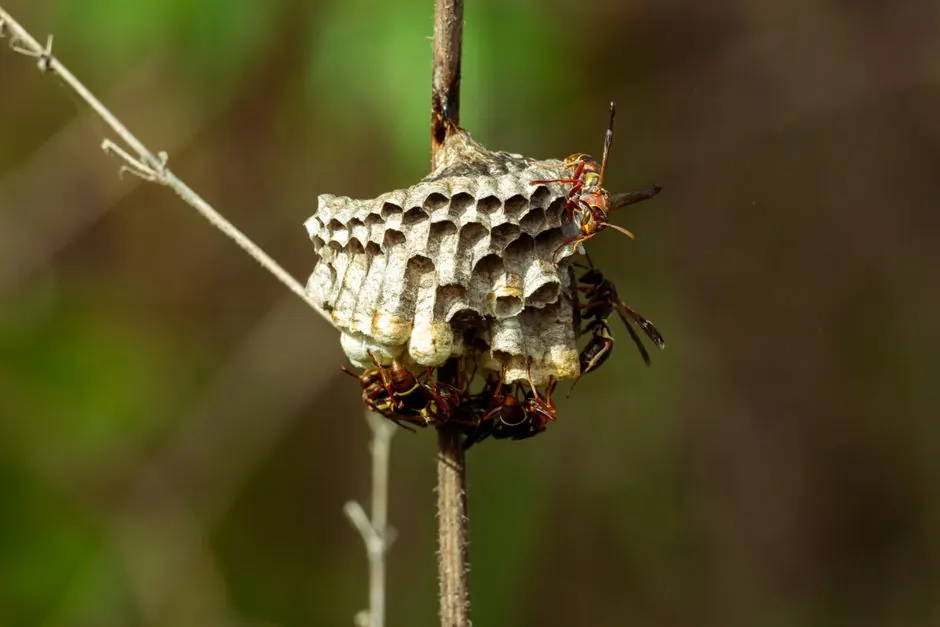
Paper wasps are recognizable by their long, slender bodies and unique nest structures. These wasps typically have a brown or reddish coloration with yellow markings. The nests are usually umbrella-shaped and made from a papery substance. You can often find them hanging from eaves, tree branches, or other sheltered areas.
Paper wasps are generally less aggressive than other wasp species, but they will defend their nests if provoked. If you notice a nest, it's essential to monitor it closely. For effective removal, consider contacting Wasp Nest Removal in Texas to ensure safety.
How to identify yellow jackets
Yellow jackets are often mistaken for bees due to their yellow and black striped bodies. They are more robust than paper wasps and have a distinct, narrow waist. Yellow jackets are known for their aggressive behavior, especially when their nests are disturbed.
Their nests are typically found underground or in wall voids, making them harder to detect. If you suspect a yellow jacket infestation, it's crucial to exercise caution. Professional help from Wasp Control Treatments in Texas can provide effective solutions.
How to identify hornets
Hornets are a type of wasp that is larger than both paper wasps and yellow jackets. They have a more robust body and are often brown or black with white or yellow markings. Hornets build large, round nests that can be found in trees or shrubs.
Unlike yellow jackets, hornets tend to be less aggressive unless their nest is threatened. If you encounter a hornet nest, it's advisable to contact professionals for safe removal. Our Emergency Wasp Removal Services in Texas can assist in urgent situations.
Common mistakes in identifying wasps
Many people confuse wasps with bees, leading to misidentification. Here are some common mistakes to avoid:
- Assuming all yellow insects are bees - many are wasps.
- Ignoring nest location - different species prefer different nesting sites.
- Overlooking behavior - aggressive wasps like yellow jackets behave differently than more docile species.
Taking the time to learn the specific characteristics of each species can help prevent unwanted encounters and ensure effective pest control.
When to call a professional
If you encounter a wasp nest or suspect an infestation, it's best to call a professional. Attempting to remove a nest without proper knowledge can lead to painful stings and allergic reactions. Texas Wasp Control Pros offers safe and effective solutions for wasp control.
Frequently Asked Questions
1. What is the most common wasp species in Texas? The most common wasp species in Texas include paper wasps, yellow jackets, and hornets, each with unique identification features.
2. How can I tell if a wasp is aggressive? Yellow jackets are typically the most aggressive, especially if their nests are disturbed. Observing their behavior can help you gauge their aggressiveness.
3. What should I do if I get stung by a wasp? If stung, clean the area, apply ice, and take over-the-counter pain relief. Seek medical attention if allergic reactions occur.
4. How do I prevent wasps from nesting near my home? Keeping food covered, sealing trash bins, and removing potential nesting sites can help prevent wasps from establishing nests near your home.
5. When is the best time to remove a wasp nest? The best time to remove a wasp nest is in early spring or late fall when the wasps are less active. However, if you encounter a nest, contacting professionals is advisable.
Get help with Wasp Control in Texas
If you need assistance with wasp identification or control, contact Texas Wasp Control Pros. Our team is ready to help you manage wasp issues safely and effectively. Call us at 123123123 for immediate assistance.