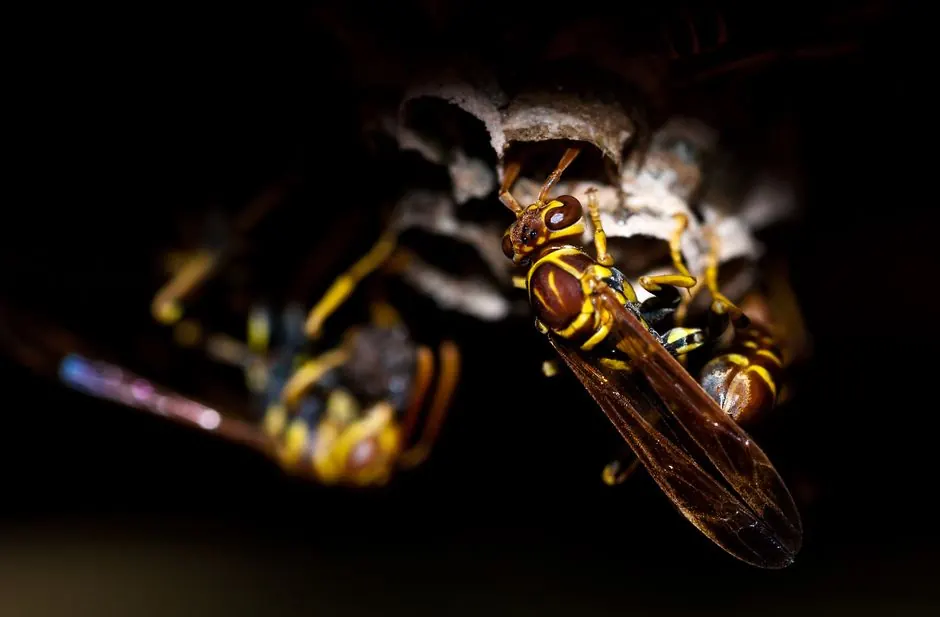
Preventing wasps from nesting in your yard in San Antonio requires a combination of proactive measures and awareness of common behaviors. By understanding why wasps are attracted to your property and implementing specific strategies, you can significantly reduce the risk of a nest forming.
Wasp control is crucial for maintaining a safe and enjoyable outdoor space. This article will explore the reasons wasps choose certain locations to nest, signs of their activity, effective prevention methods, and when to seek professional help.
Why Wasps Nest in Yards
Wasps are social insects that build nests to house their colonies. They typically choose locations that provide shelter, food, and proximity to water. In San Antonio, the warm climate and abundant food sources make residential yards particularly attractive.
Signs of Wasp Activity
Identifying the signs of wasp activity early can help you take preventive measures before a nest forms. Common indicators include:
- Frequent sightings of wasps flying around your yard.
- Visible nests in trees, shrubs, or eaves.
- Increased activity near trash cans or outdoor food sources.
If you notice these signs, it's essential to act quickly to prevent a nest from becoming established.
Effective Prevention Methods
Implementing effective prevention methods can significantly reduce the likelihood of wasps nesting in your yard. Here are some strategies:
- Remove Food Sources: Keep outdoor dining areas clean and store food in sealed containers. Wasps are attracted to sugary foods and protein sources.
- Seal Entry Points: Inspect your home for gaps or cracks that could provide entry for wasps. Sealing these openings can deter them from nesting nearby.
- Use Wasp Deterrents: Consider using natural deterrents like peppermint oil or commercial wasp sprays around your yard.
- Maintain Your Yard: Regularly trim bushes and trees to eliminate potential nesting sites. Clear away debris and old nests, as wasps may return to previously occupied sites.
- Install Fake Nests: Wasps are territorial and may avoid areas where they perceive other colonies are present. Hanging a fake nest can discourage them from settling nearby.
For tailored solutions, consider professional Wasp Prevention Services in Texas that can assess your property and provide targeted strategies.
Common Mistakes to Avoid
Many homeowners unintentionally attract wasps or fail to deter them effectively. Here are common mistakes to watch out for:
- Ignoring early signs of wasp activity can lead to larger infestations.
- Using ineffective repellents or traps that do not target wasps specifically.
- Neglecting to secure garbage cans and compost bins, which can attract wasps.
When to Call a Professional
If you notice a significant wasp presence or find a nest on your property, it's advisable to contact a professional. Texas Wasp Control Pros offers expert Wasp Nest Removal in Texas to safely eliminate nests and prevent future infestations. Professionals can assess the situation and provide effective treatments while minimizing risks to you and your family.
Frequently Asked Questions
1. How can I tell if I have a wasp nest in my yard? You may notice increased wasp activity, especially in late summer. Look for nests in sheltered areas, such as under eaves or in trees.
2. What time of year are wasps most active? Wasps are typically most active from late spring through early fall, with peak activity in late summer.
3. Are there eco-friendly methods to deter wasps? Yes, using natural repellents like peppermint oil or vinegar can help deter wasps without harmful chemicals.
4. What should I do if I get stung by a wasp? If stung, remove the stinger if present, clean the area, and apply a cold compress. Seek medical attention if you experience severe reactions.
5. How much does wasp control cost in San Antonio? Typical costs for wasp control services in San Antonio range from $100 to $300, depending on the severity of the infestation and the methods used.
By following these prevention tips and being vigilant, you can enjoy your outdoor space without the worry of wasps. For comprehensive solutions, contact Texas Wasp Control Pros for expert assistance.