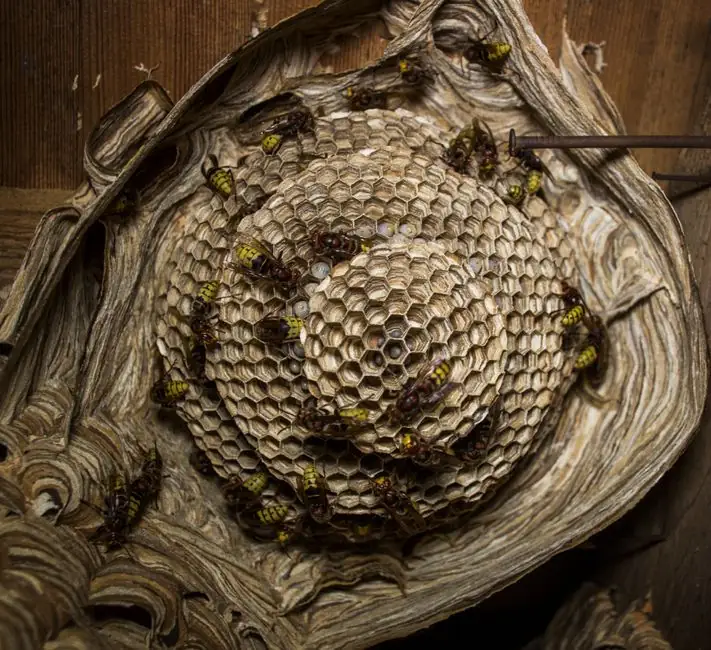
Preparing your yard for wasps in Texas summer is essential to ensure a safe outdoor environment. Wasps become particularly active during this time, making it crucial to implement preventive measures. This article will cover effective strategies to prepare your yard, identify common wasp species, and know when to call a professional.
Wasp control is a method of managing wasp populations to prevent stings and property damage. In Texas, summer brings increased wasp activity, which can pose risks to homeowners and their families.
Why Prepare Your Yard for Wasps?
Preparing your yard for wasps in Texas is vital because wasps can build nests in various locations, leading to potential stings and allergic reactions. Additionally, wasps can be aggressive when defending their nests, especially if disturbed. By taking proactive measures, you can reduce the likelihood of attracting wasps to your property.
Identifying Wasp Species in Texas
Understanding the types of wasps common in Texas helps in preparing your yard effectively. The most prevalent species include:
- Yellow Jackets: Known for their black and yellow stripes, these wasps are aggressive and often nest in the ground.
- Paper Wasps: Characterized by their elongated bodies and umbrella-shaped nests, they are generally less aggressive but can still sting if threatened.
- Bald-faced Hornets: A type of yellow jacket, these wasps are easily identified by their black and white coloration and large, aerial nests.
Common Wasp Nest Locations
Wasp nests can be found in various locations around your yard. Common nesting sites include:
- Under eaves and overhangs of buildings
- In shrubs and trees
- Inside attics or wall cavities
- On outdoor furniture or fixtures
By identifying these areas, you can take steps to minimize their attractiveness to wasps.
Preventative Measures for Your Yard
Implementing preventative measures is key to preparing your yard for wasps. Here are some effective strategies:
- Regularly Inspect Your Property: Check for signs of wasp activity, such as nests or increased wasp presence.
- Remove Food Sources: Keep outdoor food and drinks covered, and promptly clean up spills and crumbs.
- Seal Entry Points: Close off potential nesting sites by sealing cracks and openings in your home's exterior.
- Use Decoys: Hanging fake wasp nests can deter real wasps from building nests nearby, as they tend to be territorial.
- Maintain Landscaping: Trim back overgrown vegetation and remove debris where wasps might nest.
For more comprehensive control, consider professional Wasp Prevention Services in Texas to ensure your yard remains wasp-free.
When to Call a Professional
Knowing when to call a professional is crucial for effective wasp control. If you notice a large wasp nest or experience multiple stings, it's time to seek help. Professionals can safely remove nests and provide ongoing monitoring to prevent future infestations. Texas Wasp Control Pros offers expert services tailored to your needs.
Frequently Asked Questions
1. How can I tell if I have a wasp nest in my yard?
Look for increased wasp activity in a specific area, especially around shrubs, eaves, or other sheltered spots. Nests are often visible, appearing as paper-like structures or small mounds in the ground.
2. What time of year are wasps most active in Texas?
Wasps are most active during the summer months, particularly from late spring to early fall. This is when they build nests and forage for food.
3. Are wasps beneficial to my garden?
Yes, wasps can be beneficial as they help control pest populations. However, their presence can be problematic if nests are too close to human activity.
4. Can I remove a wasp nest myself?
Removing a wasp nest can be dangerous, especially if you are allergic to stings. It is advisable to contact a professional for safe removal.
5. What are the signs of a wasp sting?
Signs include immediate pain, swelling, redness, and itching at the sting site. In some cases, allergic reactions can occur, requiring immediate medical attention.